


中國國民黨數位黨部
社團法人中國國民黨
I approached 中國國民黨數位黨部 as a mobile events and party-service app rather than as a general social network. Its purpose is closely tied to the Chinese Kuomintang’s effort to move more member-facing services into digital channels, so its value depends less on entertainment and more on whether it makes party-related communication easier to reach from a phone. That narrow focus is important: this is not an app I would recommend simply because someone wants another news feed or messaging tool.
In my experience, the app makes the most sense for people who already need a direct digital connection with the party, its activities, or member-oriented services. The developer is 社團法人中國國民黨, and the application is free to use. It has a Teen content rating, which is worth keeping in mind for households deciding whether it fits a younger user’s device. The current version is 1.0.46, and it runs on Android 8.1 or later.
How connectivity shapes the everyday experience
Useful when the phone is the meeting point
The strongest idea behind this app is convenience at the moment when a member is away from a computer. Party information and event-related communication are more useful when they can be checked while commuting, waiting before a meeting, or standing outside a venue. A phone-based channel reduces the need to search through several unrelated services, provided the information a user needs is available inside the app at that moment.
That “provided” matters. An events application is only as practical as its connection to current information. If I were preparing to attend a party activity, I would open the app before leaving, review the relevant details while my connection was stable, and avoid relying on a last-second check at the entrance. This is not because I expect the app to replace every other communication channel, but because mobile access is most valuable when it prevents a small piece of planning from becoming a larger problem.
The app’s role as a digital service channel also changes how I judge it. I am less interested in decorative presentation than in whether the route from opening the app to finding a useful update feels direct. A member who already knows what they are looking for may appreciate a focused tool. Someone who expects a broad community platform, extensive discussion, or a fully developed media experience may find the scope more limited.
Latest News

Uber Eats Under Pressure: What Happens When Delivery Goes Wrong

How QR & Barcode Scanner Adapts to Android and iOS Innovations

Why Waze Navigation & Live Traffic Is Your Essential Travel Companion

CapCut Mastery: Unleash Hidden Features for Pro-Level Editing

How OS Updates Enhance Roblox Adventures

Teacher Simulator: Exam Time Turns Quick Classroom Judgments into a Repetitive Loop
A realistic event-day scenario
Imagine checking the app on the way to a gathering. I would first use a dependable connection to look for the event or service information I need, then confirm the practical details before switching attention back to travel. If the page loads quickly and the information is organized clearly, the app has done its job without needing to become the center of the day.
The more difficult case is arriving with a weak signal and expecting every detail to appear instantly. That is where I would be cautious. I would not treat this application as a guaranteed replacement for saving important information elsewhere, because the experience is tied to reaching its digital content. A screenshot, calendar note, or written reminder can be a sensible companion for details that matter during travel. That is a practical habit, not a claim that the app provides offline access.
This workflow reveals one of the app’s less obvious trade-offs: a focused digital channel can reduce searching, but it can also make the user more dependent on the channel being reachable at exactly the right time. The convenience is real when the connection is good; the preparation burden returns when it is not.
Gallery
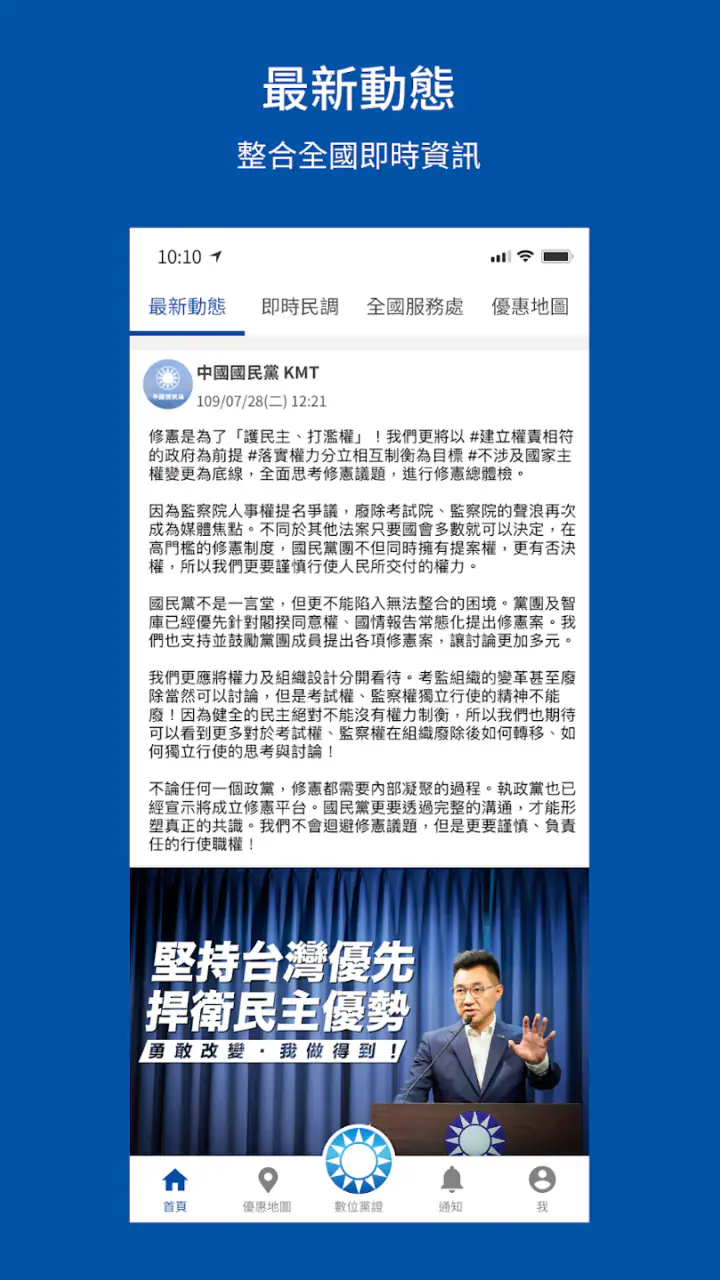
Mobile use is about timing, not just portability
On a phone, I would use this app in short sessions rather than leave it open continuously. Event information is usually something I check with a purpose: before leaving home, during a break, or when deciding whether I need to follow up on a party-related matter. That makes a quick, legible interface more important than a large number of options.
Small screens also change how much uncertainty I am willing to tolerate. On a desktop, opening another page or comparing information is relatively easy. On a phone, unclear navigation can turn a simple check into repeated taps and backtracking. For this kind of app, the best mobile experience is one that lets me identify the relevant section quickly and understand whether the information is current enough for my immediate decision.
I would also avoid using it as my only planning tool for a complicated day. If several appointments, locations, or people are involved, I would combine the app with the phone’s calendar and map tools. The app can serve as the party-specific source I consult, while the other tools handle transportation and personal scheduling. That division of labor is more reliable than expecting one specialized application to manage every part of an outing.
What happens when the connection is unreliable
Network interruptions are especially noticeable in an events context because the user often opens the app with a deadline. A slow response before leaving home is an annoyance; a failed request shortly before an activity can affect confidence in the entire plan. My advice is simple: check important information earlier than the final few minutes and give the app time to load before moving into a place with poor reception.
If a page does not appear, I would first distinguish between a temporary connection problem and an app problem. Trying again after moving to a stronger signal is reasonable. Closing and reopening the app can also clear a one-time loading issue. If the information is urgent, I would use any other official communication route already available to me rather than repeatedly tapping the same screen. That approach avoids wasting time and recognizes that a mobile app is one channel, not necessarily the only one.
Recovery is also easier when I keep expectations realistic. I would not assume that a failed refresh means an event has changed, nor would I assume that an old screen is still current. When the network returns, I would deliberately reload the relevant content instead of acting on a page I happened to see earlier. This is a small but important habit for any event-focused service.
Using it without wasting mobile data
Although the app is free, using it on a phone still involves the practical cost of connectivity. I would avoid repeatedly refreshing the same page while traveling, especially when reception is weak, because unsuccessful attempts can consume time and may use mobile data without adding useful information. A better routine is to check once on a stable connection, read what is relevant, and close the app until there is a genuine reason to return.
For users with limited data plans, Wi-Fi is the sensible place to perform broader browsing or catch up on several updates. Mobile data is better reserved for a quick confirmation when away from home. I would also keep my phone’s general data-saving habits in place and pay attention to whether the app is being opened repeatedly in the background by my own routine. Without making assumptions about its technical behavior, the safest approach is user-controlled: open it when needed rather than treating it as a constantly running feed.
There is a useful distinction between checking and monitoring. Checking means opening the app when I want a specific piece of party or event information. Monitoring means returning frequently in the hope that something new has appeared. The first use is efficient and predictable. The second can be less comfortable for both battery and data, particularly if the app is not central to the user’s daily work.
Who will get the most from it?
I see the clearest fit for party members who want a dedicated mobile entry point for digital services and event-related information. It may also suit people who prefer keeping organizational information in a purpose-built app rather than searching through general social platforms. The app’s focused identity can be an advantage when the user already understands why they are opening it.
It is less convincing for someone who has no connection to the Chinese Kuomintang and is simply looking for a neutral events calendar. The developer and purpose give it a specific audience, so downloading it without that connection may not provide much practical value. Likewise, users who expect a broad public-events discovery tool should look elsewhere. A general calendar, local events service, or mainstream communication platform may be better for comparing activities across unrelated organizations.
I would also hesitate to recommend it as the sole channel for anyone who cannot tolerate interruptions in access. People attending time-sensitive activities should keep essential details in a second place and confirm them before traveling. That is particularly important for users who regularly move through areas with inconsistent reception or who have very restrictive data plans.
What the rating suggests, and how I interpret it
The app holds a 3.4 average from around 800 ratings, with 22 written reviews. I read that as a mixed signal rather than a verdict. It suggests that the app is useful enough for a portion of its intended audience, while also leaving room for frustration or unmet expectations. For a narrowly targeted service, ratings can reflect very different experiences: a member may value direct access, while a casual visitor may find little reason to return.
The install count is over 10 thousand, which gives the app a modest but meaningful presence for a party-specific service. I would not use that figure as proof that it is the best option, but it does indicate that the concept has reached a real group of Android users. The more relevant question is whether that group resembles you: are you looking for Chinese Kuomintang digital services and event access, or are you searching for something broader?
The age classification of Teen is another detail I would consider before installing it on a shared family device. It does not change my view of the app’s main function, but it is part of making an informed choice about who should use it and in what setting.
Where it compares well with usual alternatives
Compared with a general social network, a dedicated party app can offer a more direct path to organization-specific information. The benefit is focus: fewer unrelated posts and less dependence on finding the right account or group. The cost is breadth. A general platform may be better for conversation, cross-checking public reactions, or following multiple organizations in one place.
Compared with email, the app can feel more immediate on a phone when I want to open a purpose-built service rather than search an inbox. Email remains stronger for keeping a durable written record, forwarding information, and combining messages from different parts of life. I would use the app for direct access and email or notes for personal archiving when an event detail is important.
Compared with a calendar application, this app has a more specific organizational role, while a calendar is better for reminders, time conflicts, and travel planning. I would not choose between them as if they were identical products. The practical combination is to consult the party app for source information and use the calendar to turn that information into a personal plan.
Small habits that make the experience more dependable
My first tip is to check before the journey, not at the last possible moment. This gives the app time to load and gives me a chance to notice whether I need another route to the information. It also reduces the temptation to repeatedly refresh while walking or traveling.
My second tip is to separate official information from personal reminders. I would use the app to review the organization’s content, then record the date, time, and location in my own calendar if I need a dependable reminder. This prevents an important appointment from being hidden inside a single app session.
My third tip is to treat connectivity as part of the preparation. When I know I will be in a crowded venue, underground station, rural area, or building with poor reception, I would review what I need while connected and keep a personal reference for the essentials. Again, that is not an assumption about offline functionality; it is simply a sensible response to how mobile networks behave.
My fourth tip is to judge the app by recurring usefulness rather than by the first launch. A specialized service may seem quiet when there is no immediate event to check, yet become valuable when a member needs a direct channel. Conversely, if I repeatedly open it and find that it does not support the tasks I actually perform, the free price does not make it worth keeping. Storage and attention are also resources.
My connectivity verdict
中國國民黨數位黨部 is a specialized events and digital-service app whose usefulness comes from being close to the organization it represents. I like the idea of having a dedicated mobile route instead of forcing members to piece together information across unrelated services. The strongest use case is straightforward: I already have a reason to follow Chinese Kuomintang activities or member services, and I want to check that information from my phone.
Its limitations are equally clear. The experience is not designed for everyone, and a user who wants a broad events platform, general social interaction, or guaranteed access in difficult network conditions should choose a different tool or add a backup. The mixed 3.4 average also encourages realistic expectations rather than automatic enthusiasm.
For the intended audience, I would try it because it is free, focused, and built around a specific digital connection. I would use it deliberately, check important details before leaving, and pair it with the phone’s calendar for personal planning. The app works best as a direct organizational doorway, not as a complete replacement for every communication and event tool. That distinction is what makes it useful for the right person and easy to skip for everyone else.
FAQs for 中國國民黨數位黨部
What is 中國國民黨數位黨部, and who is it designed for?
中國國民黨數位黨部 is a digital platform associated with Taiwan’s Kuomintang (KMT), created to provide party-related information and online services. It is mainly intended for KMT members, supporters, volunteers, and people interested in the party’s activities, announcements, policies, and public events. The content and available functions may be most useful to users who can read Traditional Chinese and follow Taiwan’s political news.
What can I do with the 中國國民黨數位黨部 app or platform?
The platform may provide access to KMT news, official statements, campaign or event information, organizational updates, and digital participation features. Depending on the current version, users may also find membership-related services, online registration, notifications, multimedia content, or ways to support party activities. Features can change over time, so it is advisable to review the latest store description and privacy information before downloading or creating an account.
Is 中國國民黨數位黨部 free to download and use?
Access to the application or digital platform is generally expected to be free to download, although certain activities, events, or membership-related services may have their own requirements. The app may also use an internet connection, which could result in mobile data charges depending on your provider. Before installation, check the official Google Play or App Store listing for pricing, in-app purchase information, supported devices, and any regional availability restrictions.
Does the app require registration or personal information?
Some sections of 中國國民黨數位黨部 may be available without an account, while interactive or member-focused services can require registration and personal details. Depending on the feature, this could include a name, contact information, membership data, or verification details. Before submitting information, read the platform’s privacy policy and permissions carefully, especially if you are concerned about how political preferences, activity records, or notifications may be collected and used.
Is 中國國民黨數位黨部 available for both Android and iPhone users?
Availability depends on the official distribution channels and the user’s region. Android users should look for the verified listing on Google Play, while iPhone users should check the Apple App Store. Confirm the developer or publisher name before installing, because similarly named unofficial apps may exist. Also review the required operating-system version, language support, update date, and user reviews to ensure the application is compatible with your device.
Pros
- Provides official KMT news
- announcements
- and party updates in one place.
- Offers a direct channel for members to follow party activities and campaigns.
- Digital membership tools can make party communication more convenient.
- Useful for users who want Taiwan political content from the KMT perspective.
- Mobile access makes updates easier to check while away from a computer.
Cons
- Content may strongly reflect the party’s viewpoint rather than provide neutral coverage.
- Some features may require membership or personal information to access.
- Political updates can be less useful to users outside Taiwan or KMT circles.
- App activity and content quality may depend on the party’s update frequency.
- Privacy-conscious users should review permissions and data-handling policies first.


